Choosing the right material for interior doors is a key factor that influences both the aesthetics and functionality of a space. Door materials vary depending on their intended use, durability requirements, and interior design style. Options like wooden, metal, and PVC doors each offer unique benefits and technical characteristics. Opting for durable door materials ensures long-lasting and secure use. When selecting interior door materials, it’s essential to match the choice with the overall design and usage conditions of the space. Door selection tips include considering material properties, ease of maintenance, and environmental factors. This article delves into the technical aspects of material selection for interior doors, highlighting the advantages and design criteria of various door materials.
Material selection for interior doors is a critical decision that affects both the functionality and visual harmony of a space. The right door material extends the door’s lifespan while providing resistance to climate conditions and heavy use. Therefore, it’s important to thoroughly examine the technical specifications and performance criteria of door materials.
Choosing a door is not only about aesthetics but also about security, insulation, and maintenance needs. The selection of interior door materials should be tailored to the specific requirements of the area. This article covers the fundamental technical criteria and industry practices involved in selecting materials for interior doors.
How to Choose the Right Material for Interior Doors?
Technical Features and Applications of Wooden Doors
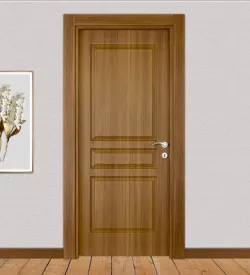
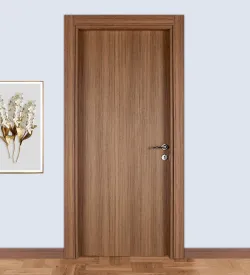
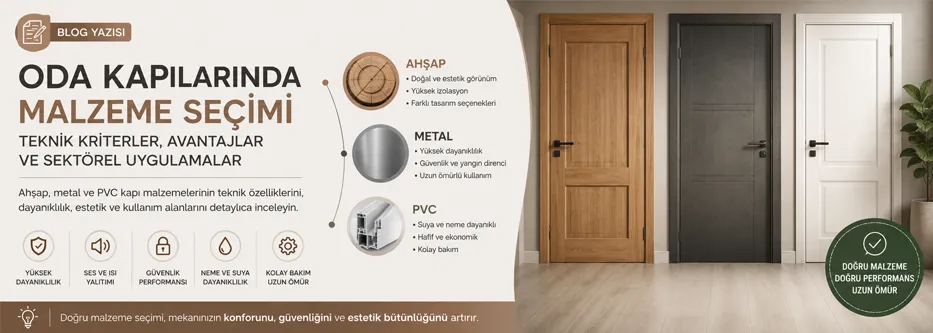
Wooden doors are widely favored for interiors due to their natural appearance and durability. Available in various species and grades, hardwoods offer superior strength. Wooden doors provide excellent insulation, effectively reducing noise and heat transfer. However, they require proper protection and maintenance against humidity and temperature fluctuations.
From a technical standpoint, wooden doors stand out for their workability and aesthetic versatility. They can be crafted with intricate designs that complement the style of the space. Among interior door materials, wood holds a significant place for those seeking natural and durable options.
Durability and Security Features of Metal Doors
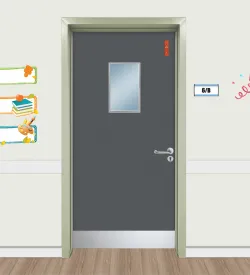
Metal doors are preferred in areas demanding high durability and security. Constructed from materials like steel and aluminum, these doors resist impacts and external factors effectively. Metal doors also offer fire resistance and protection against break-ins.
Technically, installation and maintenance processes for metal doors differ from other materials. Anti-corrosion coatings and specialized surface treatments extend their lifespan. The main advantages of metal doors are long-term durability and enhanced security. Their use is increasingly common in interiors with industrial design themes.
Advantages and Uses of PVC Doors
PVC doors are popular for interiors due to their lightweight structure and water resistance. Made from plastic-based materials, they are easy to maintain and cost-effective. PVC doors withstand deformation in humid environments over extended periods.
Technically, PVC doors perform well in sound insulation and energy efficiency. They also come in a variety of colors and patterns to suit different design preferences. For those seeking durable yet affordable door materials, PVC offers a practical solution. It stands out as a flexible and functional option among interior door materials.
Key Considerations When Selecting Durable Door Materials
Durability in door material selection should align with usage conditions. Factors such as humidity levels, temperature fluctuations, and traffic intensity influence material choice. Mechanical strength and maintenance requirements must also be considered.
Technically, evaluating material strength, resistance to deformation, and surface durability is essential. Benefits like longevity and low maintenance reduce overall costs. For interior doors, balancing aesthetic appeal with functional performance is crucial.
Aesthetic and Functional Harmony of Interior Door Materials
Door design should complement the overall decor of the space. Interior door materials must be chosen based on color, texture, and form to match the style. Wooden doors provide a warm, natural look, while metal doors offer a modern, industrial aesthetic.
Functionally, the door material must serve its intended purpose. Criteria such as soundproofing, thermal insulation, and security play a decisive role in material selection. Door selection tips emphasize balancing aesthetic and functional needs. Technical accuracy is fundamental in assessing material performance.
Door Selection Tips and Evaluating Material Performance
Material performance is vital for long-term door use. When choosing durable door materials, it’s important to analyze technical specifications in detail. Comparing strength, ease of maintenance, and resistance to environmental factors helps make an informed choice.
During selection, considering door design and material benefits ensures the chosen product meets the space’s requirements. Interior door materials can offer various solutions tailored to user needs. Evaluations from technical and industry perspectives support selecting the right door material.
Benefits of Door Materials and Their Impact on Space Performance
Door materials directly influence the comfort and performance of a space. The right material choice positively affects energy efficiency, sound insulation, and security. Wooden doors provide natural insulation, while metal doors excel in durability and protection.
PVC doors are favored indoors for their easy maintenance and water resistance. The advantages of door materials vary by application and optimize space performance. Understanding material properties technically enables conscious decisions in door selection.
Material selection for interior doors should align with the space’s aesthetic and functional needs. Evaluating technical accuracy and material performance ensures the choice of long-lasting, durable doors. Making informed decisions among door materials enhances the quality of use and supports design cohesion.