
Laminate Door Models | Aluminum and Steel Frame Systems
Laminate doors provide long-lasting solutions with superior durability and surface quality, ideal for commercial and institutional environments. The special laminate layer on the surface resists scratches and impacts, making them perfect for high-traffic areas.
Their applications are diverse; laminate doors offer significant advantages in spaces where hygiene and durability are critical, such as hospital doors, healthcare facility entrances, and school or educational institution doors. They also balance aesthetics and functionality across various sectors including hotels, dormitories, shopping malls, and gyms.
Choosing the right laminate door becomes easier by evaluating technical specifications suited to the intended use and environmental conditions. Factors like door thickness, laminate quality, and installation details stand out during the selection process, ensuring the best fit for your space’s needs.






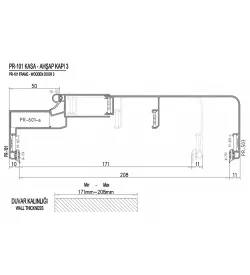



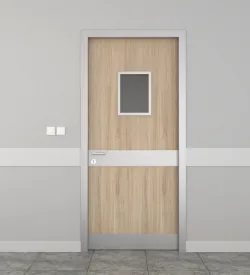






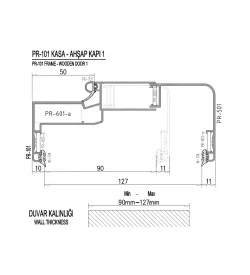
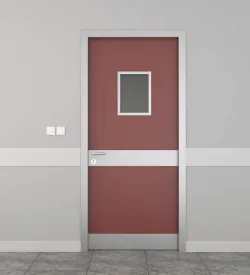


Laminate doors stand out for their durability and attractive appearance, especially in commercial and project-based applications. The high-quality laminate surface helps the door maintain its original look over time while reducing maintenance needs. These technical benefits extend the door’s lifespan and lower operational costs.
Meeting the needs of various industries, laminate doors are widely used from healthcare facilities to educational institutions, hotels, and gyms. Customizable for each environment, these doors offer hygienic and functional solutions that enhance user satisfaction.
When selecting, consider the door’s usage intensity and environmental factors. Technical specifications and material quality are key to making the right decision. Therefore, a needs-based selection ensures advantages in both aesthetics and performance.
Laminate Door Models and Technical Specifications
Technical Structure of Laminate Doors
Laminate doors are manufactured with a high-pressure resistant MDF or HDF core layered with multi-ply laminate coating. This construction enhances surface durability while providing resistance to moisture and temperature changes. The thickness of the laminate and adhesives used directly affect the door’s performance.
Special edge bands prevent peeling and deformation of the laminate surface. Reinforcement elements inside the door leaf increase resistance to bending and warping, maintaining the door’s shape over time.
Durability and Long-Term Use
One of the main advantages of laminate doors is their high resistance to scratches and impacts. Minor surface scratches are easily concealed by the laminate structure, preserving the door’s aesthetic throughout its lifespan. This makes them ideal for commercial and high-traffic areas.
Additionally, laminate doors support hygiene standards in healthcare and educational settings due to their resistance to moisture and chemicals. This durability reduces frequent maintenance needs and lowers operational costs.
Wide Range of Applications and Solutions
Laminate doors designed specifically for hospitals and healthcare facilities combine hygiene with durability. Anti-bacterial surface options reduce infection risks, ensuring safety in medical environments. In educational institutions, their sturdy build and appealing look make them a preferred choice.
Project-based models cater to diverse needs such as hotel and dormitory doors. Shopping mall and gym doors benefit from laminate solutions that offer both high traffic resilience and visual harmony. This variety provides suitable options for every sector.
Benefits of Laminate Doors
Laminate doors enhance hygiene standards with surfaces that are quick and easy to clean. Their chemical-resistant coating helps maintain the door’s original quality over time, making them especially favored in healthcare and education sectors.
With a wide selection of colors and patterns, laminate doors can complement any interior style. They are easy to install and require minimal maintenance, positively impacting business continuity and cost efficiency.
Key Considerations for Selection
Choosing the right laminate door starts with assessing the specific characteristics of the usage area. Traffic intensity, humidity levels, and hygiene requirements define the selection criteria. Decisions should be guided by technical catalogs and manufacturer recommendations.
Material quality, laminate thickness, and door core durability are critical for long-lasting use. Installation details and accessory quality also influence performance. Taking these factors into account ensures selecting the most suitable laminate door model for your needs.
Material Differences and Performance Impact
The variety of materials used in laminate doors directly affects durability and aesthetics. High-quality melamine and compact laminate options cater to different performance and appearance expectations. Compact laminates provide extra protection against heavy impact and moisture.
Door cores made from MDF, HDF, or plywood determine weight and strength. Differences among these materials affect lifespan and ease of installation. Choosing the right material according to your needs offers long-term benefits.
With their technical superiority and broad application range, laminate doors offer reliable solutions for commercial and institutional projects. Their durable construction and aesthetic options meet the demands of any environment. Paying attention to technical details during selection guarantees a long-lasting and functional door solution.


