
Emergency Fire Exit Doors With Panic Bar Systems
Fire exit doors are critical safety equipment that ensures the safe evacuation of people during fires and emergencies. Particularly mandatory for public buildings, shopping malls, workplaces, schools, hospitals, and high-rise structures, fire exit doors must comply fully with fire safety regulations and international standards. One of the most crucial features of these doors is the panic bar system and 120-minute fire resistance performance. These two features save lives by allowing quick access during a fire and preventing the spread of flames.
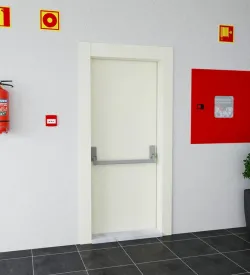
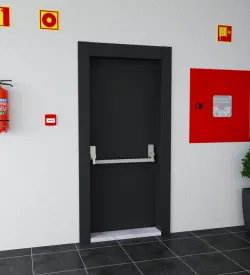
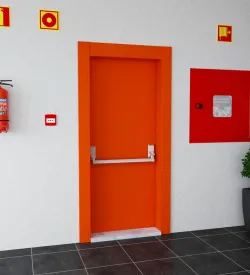
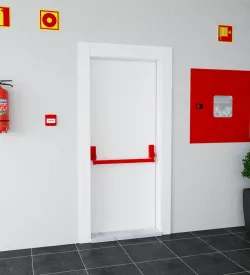
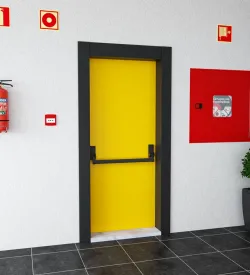
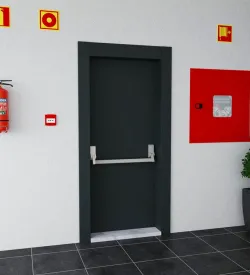
Panic Bar Fire Exit Doors: Speed and Convenience in Emergencies
During a fire, it is essential for occupants to be evacuated quickly and easily. This is where panic bar fire exit doors come into play. The panic bar system consists of a horizontal bar placed on the door, which allows the door to open instantly when pressed. The panic bar enables rapid escape, particularly in crowded environments, as opposed to locked or difficult-to-open doors. This minimizes congestion and panic in front of the door.
Panic bar fire exit doors are tested and approved according to the TS EN 1125 standard. Additionally, the panic bar systems of fire doors offer advantages such as acoustic signaling, durable materials, and easy maintenance. These features have become mandatory in fire safety regulations and represent standards that building owners must adhere to.
120-Minute Fire-Resistant Fire Doors: Long-Lasting Protection
The fire resistance duration of fire doors indicates how long the door can withstand fire conditions. In commonly used standards both in Turkey and internationally, 120 minutes of fire resistance is a significantly high duration. This means the door can provide protection against flames, high heat, and smoke leakage for at least 2 hours.
Fire-resistant doors are manufactured with special insulation materials, steel construction, and heat-resistant glass or filling materials. These doors prevent the spread of fire to other areas of the building, extending the intervention time for firefighters and allowing for the safe evacuation of people inside. Moreover, this durability is crucial in minimizing property and life losses.
Technical Features to Consider When Choosing Fire Exit Doors
When purchasing or manufacturing fire exit doors, certain technical criteria should be considered:
- Compliance with Standards: Must conform to standards and regulations such as TS EN 1634-1, TS EN 1125, and the Regulation on Fire Protection of Buildings.
- Panic Bar System: Systems with panic bars that allow easy opening in emergencies and enhance safety should be preferred.
- Fire Resistance Duration: A minimum of 120 minutes of fire resistance is critical for safe evacuation.
- Smoke Tightness: The door must ensure smoke and gas tightness during a fire.
- Material Quality: High-quality steel and heat-resistant filling materials should be used for the door frame and leaf.
- Door Mechanism: Should have easy-opening, wear-resistant hinges and locking systems.
The Importance of Fire Exit Doors in Buildings
Fire exit doors serve not only as a door function but are an indispensable part of fire safety. Properly selected and correctly installed fire exit doors save lives by preventing the spread of fire within the building. Additionally, ensuring compliance with legal regulations is vital for building owners and businesses to avoid penalties.
Especially in large and high-capacity buildings, fire exit doors are designated as emergency exit doors and are critical points in evacuation plans. These doors are designed to enable quick exits for panicked individuals during emergencies, with the panic bar allowing the door to be opened without wasting extra time.
Fire exit doors are your building's strongest line of defense against fires. With panic bar and 120-minute fire-resistant doors, you can ensure full compliance with regulations while safeguarding your employees, customers, and loved ones. Therefore, when selecting fire exit doors, quality, standards, and technical features must be prioritized.


