
Hospital Door Models | Durable and Hygienic Solutions
Hospital door models provide long-lasting performance in healthcare settings with their durable surfaces and hygienic features. Options like laminate and hygienic HPL doors use antibacterial coating technology to minimize infection risks.
These doors maintain hygiene standards across various areas such as clinics and patient rooms, creating comfortable and safe environments. Their high durability makes them suitable for heavy use and simplifies cleaning processes.
When selecting the right hospital door, material quality, antibacterial properties, and intended usage are key factors. This ensures both aesthetic appeal and functional needs are met while maintaining the hygiene required in medical environments.

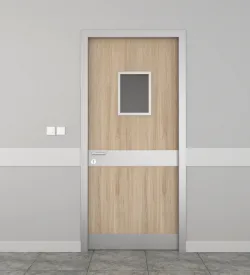
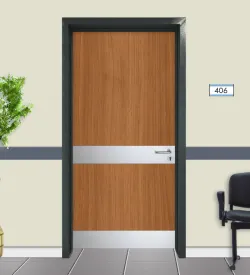


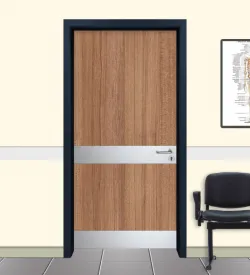


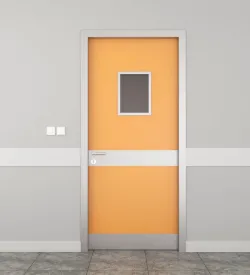

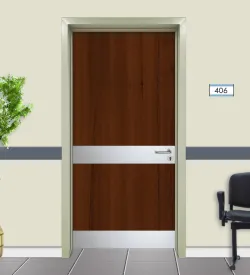


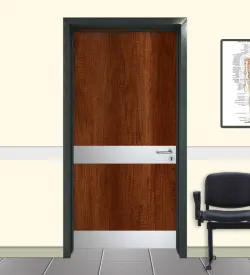
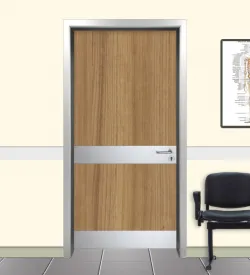
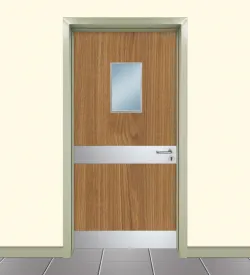
Hospital doors must be designed to perform reliably in critical healthcare areas over extended periods. Surface durability and hygienic features are essential criteria when choosing doors. Laminate coatings stand out for their resistance to scratches and impacts.
Models tailored for different needs, such as clinic doors and patient room doors, include technical details suited to the function of each space. Antibacterial coatings and hygienic HPL materials prevent microorganism growth, helping maintain healthcare standards.
Hospital Door Models and Technical Specifications
Construction and Surface Features
Materials like laminate and HPL used in hospital doors resist high pressure and chemical cleaning agents. This construction ensures long service life and reduces the risk of surface damage.
Antibacterial coatings inhibit bacteria and viruses from adhering to door surfaces, offering a critical advantage for infection control, especially in patient rooms and clinics.
Durability and Longevity
Hospital doors endure frequent use and constant cleaning. Therefore, mechanical durability is crucial. Laminate surfaces resist impacts and scratches, while door frames are made from robust materials.
Durable hinges and lock systems are also vital. Using high-quality metal components ensures long-term functionality and reduces maintenance needs.
Suitability for Clinics and Patient Rooms
Each clinical area has unique requirements. Patient room doors prioritize sound insulation and easy-to-clean surfaces, while clinic doors are designed to uphold the highest hygiene standards.
Hygienic hospital door options are especially preferred for operating rooms and laboratory entrances, minimizing microorganism risks and creating safe environments for staff and patients.
Benefits and User Advantages
Antibacterial hospital doors play a key role in infection control, helping prevent the spread of contagious diseases within healthcare facilities. Additionally, laminate and HPL doors feature easy-to-clean surfaces that reduce maintenance time.
Their durable construction prevents deformation from frequent use and maintains an attractive appearance, supporting the professional and hygienic image of healthcare institutions.
Key Selection Criteria
When choosing hospital doors, the specific needs of the usage area should be assessed first. Antibacterial coatings, durability, and ease of cleaning are top priorities. Door dimensions and opening types also affect user comfort.
Material quality, installation ease, and maintenance requirements should also be considered. These factors enhance operational efficiency and provide long-term cost benefits for healthcare facilities.
Material Differences and Performance
Laminate hospital doors offer an economical and durable option, resistant to scratches and chemicals. Hygienic HPL doors, with antibacterial properties, are preferred in areas requiring higher hygiene standards.
Both materials are developed to meet healthcare environment needs. Selection should consider usage intensity and cleaning protocols to determine the most suitable option.
The Importance and Application of Hygienic Features
Hygiene in hospital doors extends beyond surface coatings. Door edges, hinges, and lock mechanisms should also be easy to clean and antibacterial to keep the entire door hygienic.
Hygienic HPL doors use special coating technologies that prevent microorganism growth and withstand chemical cleaning. These features support sustainable hygiene standards in healthcare settings.
Hospital door models meet hygiene and durability expectations of healthcare facilities through their technical design and material quality. Prioritizing features based on the usage area ensures a safe and efficient environment in the long term.


