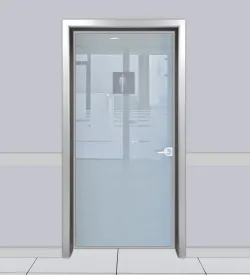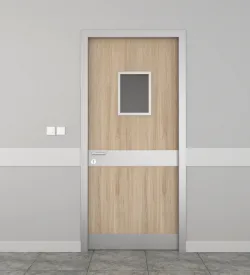
A door handle is a fundamental hardware component that enables the functional use of a door. This frequently used part is not only an aesthetic accessory but also plays a crucial role in durability, ergonomics, and security. The material type used in door handle selection directly impacts both the door’s usage environment and its long-term performance.
In this article, we examine the most common materials used in door handles — stainless steel, zamak, and aluminum — from a technical perspective, detailing their differences, benefits, and the types of projects where each is best suited.
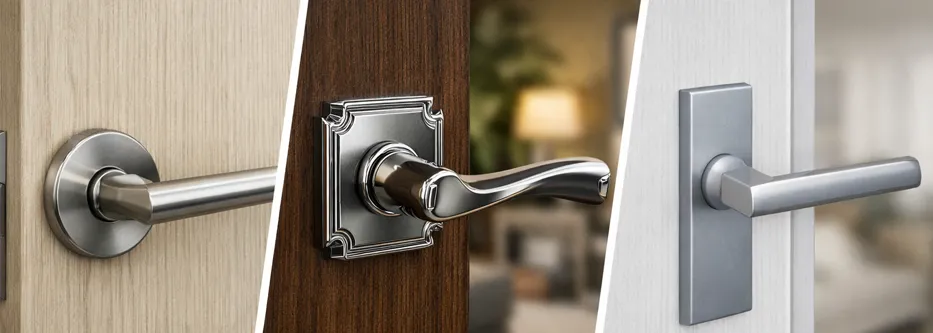
Materials Used in Door Handles and Their Technical Differences
Door handles exhibit varying mechanical and environmental resistance properties depending on the materials they are made from. Therefore, selecting the right door handle requires considering not only design but also usage conditions and technical requirements.
Stainless Steel Door Handles
Stainless steel door handles are among the top choices for areas demanding high durability and hygiene. Thanks to their corrosion-resistant properties, they maintain performance in humid environments and high-traffic areas without deterioration.
Technical Features:
- High mechanical strength
- Resistance to rust and oxidation
- Easy-to-clean surface
- Long-lasting shape retention
Applications:
- Hospitals and healthcare facilities
- Schools and educational buildings
- Hotels and public buildings
- Offices with heavy foot traffic
In projects where hygiene is a priority, stainless steel door handles stand out as a low-maintenance, durable option.
Zamak Door Handles
Zamak door handles are produced using zinc alloy casting, allowing for intricate design options. They are widely preferred in projects where aesthetic variety is important.
Technical Features:
- Advantages of casting production
- Various coating options (nickel, chrome, etc.)
- Moderate mechanical strength
- Cost-effective manufacturing
Applications:
- Residential projects
- Office interiors
- Low to medium traffic areas
While zamak door handles offer design flexibility, their performance may be limited compared to stainless steel in high-usage environments.
Aluminum Door Handles
Aluminum door handles are favored in contemporary architectural projects for their lightweight structure and modern appearance. Their balance of weight and strength provides ergonomic use.
Technical Features:
- Lightweight and balanced construction
- Natural resistance to corrosion
- Modern, minimalist design
- Enhanced durability with surface coatings
Applications:
- Office and commercial spaces
- Modern residential projects
- Interior doors
Aluminum handles combine aesthetics and ergonomics but should be evaluated according to project specifications for areas requiring heavy impact resistance or intensive use.
Key Factors When Choosing a Door Handle
When selecting a door handle, it is recommended to consider the following criteria together:
Usage Frequency
For doors that open and close frequently throughout the day, materials offering high mechanical durability should be chosen.
Environmental Conditions
Resistance to rust is crucial in humid, hygiene-sensitive, or exposed environments.
Door Type and Project Requirements
Choose door handle systems compatible with wooden, metal, or laminate doors to ensure proper fitting and function.
Long-Term Maintenance
Products with low maintenance needs and surface durability help reduce operational costs.
Overall Assessment
Although a door handle may seem like a small hardware item, mismatching the material and usage environment can significantly affect performance and lifespan. Stainless steel, zamak, and aluminum door handles each offer distinct technical advantages tailored to different project needs.
Therefore, door handle selection should be based not only on aesthetic preferences but also on usage scenarios, durability requirements, and project specifications.
The door handle types discussed here — stainless steel, zamak, and aluminum — are part of the related product range. Various models suitable for different applications and project needs can be explored within this category.