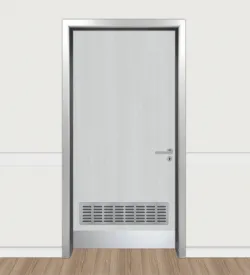
Fire-resistant doors play a vital role in fire safety, and their effectiveness depends heavily on proper installation and regular maintenance. The installation process must maximize the door's fire resistance by using materials that meet standards and applying precise mounting techniques. Maintenance is essential to preserve the door's functionality and prevent malfunctions. This guide offers valuable tips and a detailed installation manual for both technical professionals and building managers. The door's structural durability and sealing performance define its fire-resistant features, while installation techniques ensure seamless integration with the building structure. Maintenance recommendations include steps to keep the door reliable and long-lasting. This article provides clear, technically accurate insights into the installation and upkeep of fire-resistant doors. It addresses standard-compliant practices, answers how to install fire-resistant doors correctly, and highlights the importance and feasibility of regular maintenance. As a result, it serves as a comprehensive and trustworthy resource on fire-resistant door installation methods and maintenance procedures.

Fire-resistant doors are a crucial component in protecting lives and property during a fire. Their installation and upkeep directly impact performance. Incorrect installation or neglected maintenance can compromise a door's fire resistance. Therefore, fire-resistant doors must be installed with proper techniques and regularly inspected.
Installing a fire-resistant door involves more than just fitting it into place; it requires ensuring compatibility with surrounding structural elements, proper sealing, and insulation. Maintenance involves periodic checks of mechanical parts, locking systems, and seals to maintain functionality. This article thoroughly covers technical details and industry tips on fire-resistant door installation and maintenance.
Installation and Maintenance Tips for Fire-Resistant Doors
Fundamental Principles of Fire-Resistant Door Installation
Installation must comply with the door's fire resistance certification. The door frame should fit precisely with the wall structure, using fire-resistant materials. Hinges and locking mechanisms must be positioned correctly to allow smooth opening and closing.
Another critical aspect is filling gaps between the door and wall with appropriate fireproof insulation. This prevents fire from passing through and enhances durability. Installation techniques should follow manufacturer guidelines and national fire safety standards.
Fire Door Installation Guide and Step-by-Step Procedures
The installation guide outlines essential steps: first, verify door and frame measurements and assess the installation site. Then, secure the frame to the wall and properly mount hinges. Test the door’s movement to resolve any mechanical issues.
Using fire-resistant materials during installation directly affects performance. Seals and weatherstripping must be carefully installed. Locking and closing systems should be tested for proper function. These steps provide a systematic, technical answer to how to install fire-resistant doors correctly.
Fire Door Maintenance Recommendations and Regular Inspection Processes
Regular maintenance ensures the door operates flawlessly during a fire. Inspections should include hinges, locks, and closing mechanisms. Any surface damage or deformation must be repaired promptly.
Maintenance also involves checking seals and insulation components. Worn or damaged parts should be replaced to maintain fire resistance. These recommendations support long-lasting, effective fire safety doors.
Features and Standards of Fire-Resistant Doors
Fire-resistant doors are manufactured to meet specific standards that define their fire resistance duration. Material quality, insulation properties, and mechanical hardware directly influence fire performance. Certification confirms compliance with these standards.
Standards also evaluate smoke tightness and heat resistance. Fire-resistant door features must be designed and preserved through installation and maintenance to ensure reliable function during fires.
Installation Techniques and Material Selection for Fire-Resistant Doors
Installation methods should enhance the door’s fire resistance. Fasteners like screws and anchors must be made from fire-resistant materials. The wall structure where the door is installed should also be fireproof.
Material choice impacts performance significantly. Seals, insulation, and door frames used in installation must comply with standards. These technical details ensure the door performs fully in fire situations and are critical for fire safety doors.
The Importance of Sealing and Insulation in Fire Safety Doors
Sealing and insulation are key factors in fire-resistant door performance. Properly filling gaps around the door prevents fire and smoke infiltration, enhancing safety and easing evacuation.
Insulation materials used must be heat-resistant and certified for fire safety. Sealing components ensure the door closes tightly, boosting fire resistance. These elements must be carefully checked during installation and maintenance.
Impact of Regular Maintenance on Fire Door Functionality
Routine maintenance preserves the mechanical and structural integrity of fire doors, ensuring smooth operation during emergencies. Without regular upkeep, hinges may loosen, locks can fail, and seals may wear out, reducing fire resistance.
Maintenance should include detailed inspections of door surfaces, hinges, locks, and seals, with timely repairs and part replacements. These practices extend the lifespan and reliability of fire-resistant doors, playing a crucial role in fire safety.
The installation and maintenance processes directly affect a fire door’s performance in emergencies. Proper installation techniques combined with regular maintenance improve fire resistance and building safety. Therefore, these procedures must be performed according to standards.