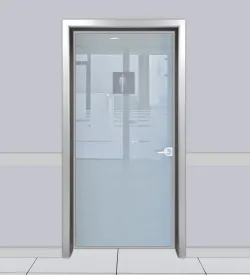
Ergonomics plays a crucial role in the effectiveness of safe evacuation processes during emergency use of fire doors. As a fundamental component of fire safety systems, fire doors must be designed to enable quick and seamless evacuation. Ergonomic fire doors support emergency ergonomics by allowing users to easily open doors, ensuring smooth mechanical operation, and positioning emergency exit doors according to standards. Fire door design considers both physical and psychological factors, enabling users to operate doors comfortably even under panic and stress during a fire. Fire door standards define ergonomic criteria that establish the minimum requirements for safe evacuation. The importance of ergonomic fire doors in emergencies extends beyond structural features to include door placement, opening direction, and ease of use. Therefore, the design and use of fire doors should be regarded as an integral part of fire safety strategies.

Fire doors are vital for preventing loss of life and ensuring safe evacuation during emergencies. Therefore, fire doors must be ergonomically designed and used appropriately as a core element of fire safety plans. Ergonomics aims to make fire doors user-friendly, enabling easy opening and ensuring that areas around the doors do not obstruct evacuation. Design and standards play a significant role in preventing difficulties during fire door use.
Emergency ergonomics requires fire doors to align not only with technical specifications but also with human factors. Details such as fire door placement, opening direction, and handle design are critical for the effective use of emergency exit doors. Fire door standards set minimum requirements for these features, contributing to safe evacuation processes. This ensures users can open doors quickly and effortlessly during a fire.
Ergonomics in Emergency Use of Fire Doors
Core Functions of Fire Doors and Their Relationship with Ergonomics
Fire doors are designed to prevent fire spread and facilitate emergency evacuation within fire safety systems. Their ergonomic design enables users to open doors quickly and with minimal effort during emergencies. Ergonomics encompasses factors such as door handle shape, opening direction, door weight, and mechanical operation.
Ergonomic fire doors are especially critical during panic situations, allowing users to open doors without difficulty. The door’s opening direction, evacuation route width, and easy-to-grip handles enhance the effectiveness of emergency exit doors. This minimizes delays and accidents during fire door use.
Ergonomic Elements in Fire Door Design
Ergonomics in fire door design focuses on physical characteristics and ease of use. The height and grip style of the door handle, as well as the force required to open the door, should be optimized for user comfort. Additionally, the door’s opening direction must be planned to avoid obstructing evacuation flow.
Ergonomic fire doors often feature panic bars or similar easy-to-operate mechanisms that enable quick opening and allow users to open doors effortlessly during emergencies. It is also important that doors do not lock automatically or become difficult to open once closed, which are key ergonomic considerations.
The Role of Fire Doors in Emergency Evacuation
Fire doors serve as critical passage points for safe and rapid exit during emergencies. Ergonomically designed fire doors ensure efficient use of evacuation routes and reduce the risk of bottlenecks. Door width and opening direction should be arranged to allow swift movement of people.
Ergonomic use of fire doors helps reduce panic and stress during evacuation. Easy-to-open doors enable users to navigate and evacuate more quickly, which is vital for fire safety and requires compliance with emergency exit door standards.
Fire Door Standards and Ergonomic Criteria
Fire door standards specify requirements for fire resistance duration, mechanical durability, and ergonomic features. These standards establish minimum conditions for doors to function reliably during emergencies. Ergonomic criteria include door handle design, opening force, and door width.
Standards mandate that fire doors must be easy to open to support emergency ergonomics. Rules regarding door placement and opening direction ensure evacuation routes are used effectively. These regulations guarantee that fire doors remain functional for safe evacuation.
Challenges in Using Ergonomic Fire Doors
Ergonomic issues with fire doors can negatively impact evacuation during emergencies. Problems such as inappropriate handle height, excessive opening force, or mechanical failures may cause users to struggle with opening doors, leading to delays and hazardous situations.
Obstacles around fire doors or narrow spaces in front of doors also hinder ergonomic use. Therefore, fire door design and placement must be carefully planned to avoid blocking evacuation routes. Regular maintenance and inspections are essential to preserve ergonomic functionality.
Ergonomic Placement and Planning of Emergency Exit Doors
The placement of emergency exit doors is crucial for ergonomic use. Door location, evacuation route width, and opening direction facilitate quick and safe evacuation. Ergonomic planning improves door accessibility and shortens evacuation times.
During planning, it is essential to keep areas in front of and around emergency exit doors free of obstacles. Door opening direction should align with the natural flow of evacuation and allow users to open doors easily. These measures are fundamental to supporting emergency ergonomics of fire doors.
Integrating Ergonomics and Fire Safety in Fire Doors
Ergonomics is a key factor that enhances the effectiveness of fire safety systems. Ergonomic fire doors prevent fire spread while ensuring smooth emergency evacuation. This integration improves overall fire safety performance.
The ergonomic features of fire doors are considered an integral part of fire safety plans. Door design, placement, and usage directly affect user safety during fires. Therefore, ergonomics in fire doors must be addressed in harmony with technical standards and safety requirements.
Ergonomics in emergency use of fire doors is indispensable for safe evacuation. Fire doors should be designed, placed, and used according to standards that prioritize ease of use. This enables users to open doors quickly and smoothly during fires, making evacuation processes more efficient. Fire door standards and ergonomic criteria directly influence the success of fire safety systems and ensure emergency exit doors function properly.