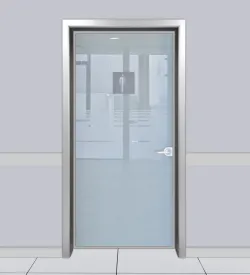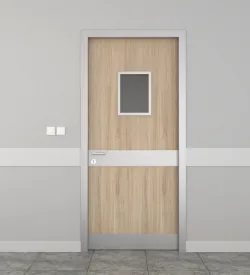
Door systems used in hotels play a crucial role in guest safety, comfort, and operational efficiency. Designs for hotel doors and room doors have evolved with technological advancements, with electronic access systems increasingly preferred over mechanical locks. These door systems go beyond physical security, enabling digital transformation of hotel operations and enhancing the guest experience. Doors used in hotels are selected based on durability, aesthetics, and functionality, while also meeting technical standards such as energy efficiency and fire safety. This article explores the technical features, benefits, and industry applications of various hotel door systems, highlighting their importance and development within the hospitality sector.

Hotel door systems are vital for both security and guest satisfaction. Doors range from main entrances to room doors and incorporate various types and technologies. Choosing the right system elevates security standards and streamlines operational processes. Hotel door systems span from mechanical locks to electronic access solutions, each offering unique advantages.
Today’s hotel door systems have evolved from simple physical barriers into smart technologies. This shift simplifies guest check-in and check-out experiences while improving staff management efficiency. Critical points like hotel room doors are equipped with advanced security protocols to prevent unauthorized access. Therefore, doors and door systems used in hotels deserve a thorough technical and industry-focused review.
Door Systems Used in Hotels
Electronic Card Access Systems
Electronic card access systems are among the most widely used security solutions in hotels. These systems allow doors to be unlocked using magnetic or RFID cards issued to guests. Integrated with the hotel’s central control system, they simplify authorization and provide traceability. Access durations and permissions can be dynamically managed by hotel administration.
Technically, electronic card systems offer low energy consumption and quick access. Although installation is more complex than mechanical locks, they provide easier maintenance and management over time. Used as hotel room doors, these systems enhance security while supporting guest convenience.
Magnetic Lock Systems
Magnetic locks operate on the electromagnet principle and hold a significant place in hotel door security. They create a strong magnetic field when the door closes, preventing it from opening. Their ability to quickly release in emergencies makes them a preferred choice.
Advantages of magnetic locks include silent operation, durability, and easy integration. Suitable for hotel doors, these systems can be designed to comply with fire safety regulations. Backup power supplies ensure functionality during power outages.
Smart Locks and Biometric Systems
Smart locks with biometric authentication have become increasingly common in hotel door systems. Technologies like fingerprint, facial recognition, or retina scanning minimize unauthorized access. These systems allow hotel management to digitally control security protocols.
From a technical standpoint, biometric systems require high processing power and sensitive sensors. When used as hotel room doors, they enable fast and secure guest entry. These door systems are developed in compliance with data security and privacy standards.
Automatic Door Systems
Automatic doors are frequently used at hotel entrances and common areas. Operated by motion sensors or remote controls, they offer ease of access and an attractive appearance. Automatic door systems used as hotel entrances provide high durability and energy efficiency.
Technically, automatic doors consist of motors, sensors, and control units that ensure smooth and secure operation. They also include manual override options for emergencies. Among hotel doors, these systems significantly enhance the guest experience.
Fire Doors and Emergency Exit Systems
Fire safety is a top priority in hotel door systems. Fire doors are made from heat-resistant materials and enable quick evacuation during emergencies. Typically equipped with automatic closing mechanisms, they fully comply with fire safety regulations.
Fire doors feature special seals and durable surface coatings. Having these systems among hotel doors increases safety for both guests and staff. Emergency exit doors are designed for easy opening and are supported by panic bar systems.
Technical Features of Wooden and Metal Doors
Hotel doors come in wooden and metal options. Wooden doors provide an aesthetic, natural look, while metal doors prioritize durability and security. Both materials are processed according to specific technical standards and integrated into door systems.
Wooden doors are often reinforced with fire-resistant laminations and coatings. Metal doors, made from steel or aluminum alloys, offer high strength. These materials also provide additional benefits such as sound insulation and energy efficiency when selected as hotel doors.
Integration and Management Software
Modern hotel door systems integrate with centralized management software, offering comprehensive control. These platforms manage access permissions, maintain usage logs, and generate security reports, allowing hotel management to oversee door systems from a single interface.
Technically, these software solutions are network-based and designed to be compatible with various door systems. Integration improves operational efficiency and boosts security levels for hotel doors and room doors. Regular software updates keep systems current and secure.
Door systems used in hotels have become essential for security, comfort, and operational management with today’s technology. Spanning from electronic card systems to biometric authentication, these technologies enhance guest experience and safety. Designed and integrated according to technical standards, they enable effective management of hotel operations. Therefore, doors and door systems in hotels require comprehensive evaluation from both technical and industry perspectives.