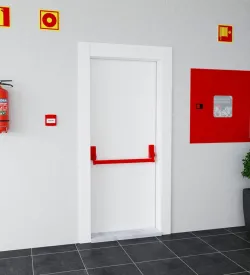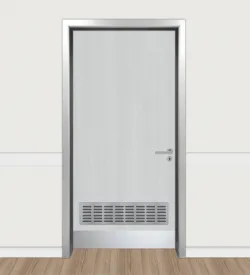
Fire doors are a critical component of fire safety systems, and compliance with the EN 1634 standard is essential to prevent loss of life and property during a fire. The EN 1634 standard outlines internationally recognized test procedures to determine fire resistance durations and performance criteria. Manufacturing, testing, installation, and certification of fire doors must fully comply with this standard. The compliance process involves thorough inspections and tests from the design phase through production and installation to ensure the door maintains its structural integrity during a fire. Fire door regulations and standards work in harmony with building safety codes to establish reliable and effective fire barriers. This content provides an in-depth overview of the technical aspects, testing methods, and certification stages involved in meeting the EN 1634 standard for fire doors.

Fire doors are vital structural elements designed to prevent the spread of flames and smoke during a fire. One of the most important standards defining their performance is EN 1634. This standard specifies the fire resistance durations and testing methods for fire doors, guaranteeing their safety levels. The fire door compliance process covers design, manufacturing, testing, and installation stages, each executed meticulously to ensure fire resistance.
Fire door regulations and standards set mandatory requirements for fire safety in buildings. EN 1634 forms the technical foundation of these regulations. Therefore, adhering to this standard during fire door production and installation is both a legal obligation and a critical safety measure. This article thoroughly examines all technical dimensions of the EN 1634 compliance process for fire doors.
EN 1634 Compliance Process for Fire Doors
Technical Scope of EN 1634 Standard
The EN 1634 standard is an internationally accepted test procedure developed to assess the fire resistance of fire doors. It measures the duration a door can prevent fire and smoke passage and evaluates its ability to maintain structural integrity. Tests simulate heat, smoke, and pressure conditions the door would face during a fire.
The standard’s technical scope enables classification of doors based on different fire resistance durations. This classification reflects the conformity of materials and design used in fire door manufacturing with the standard's requirements. EN 1634 also defines test scenarios based on door installation methods and environmental conditions.
Ensuring Standard Compliance in Fire Door Manufacturing
Fire door production follows material and design criteria that meet EN 1634’s technical requirements. The quality of steel, glass, seals, and other components directly impacts the door’s fire resistance. Therefore, material certifications and quality controls are rigorously applied during manufacturing.
Various in-process inspections verify compliance with standards, covering critical parameters such as door dimensions, hardware, and sealing properties. These checks help prevent non-compliance before fire door testing and enhance product reliability.
Fire Door Testing and Performance Evaluation
Fire door tests are conducted in laboratory settings according to EN 1634. They assess whether the door maintains structural integrity and prevents smoke leakage for the specified duration under fire exposure. Heat resistance, deformation at critical points, and seal performance are carefully examined.
During testing, thermal cameras and sensors are installed at various door sections to monitor temperature changes and sealing effectiveness in real time. Test results form the basis for issuing fire door certification and official documentation confirming full standard compliance.
Standard-Compliant Fire Door Installation
Installation is a crucial step following manufacturing and testing to ensure ongoing compliance in the field. Proper installation preserves the door’s fire resistance. EN 1634 includes detailed rules on materials, fasteners, and application techniques used during installation.
Key installation considerations include correct door alignment, complete placement of sealing components, and reinforcement of the door frame with fire-resistant materials. Improper installation can severely compromise performance and jeopardize fire safety.
Fire Door Certification and Legal Requirements
Fire door certification officially documents compliance with the EN 1634 standard. It is issued based on test reports and conformity assessments obtained by the manufacturer. This certificate demonstrates adherence to fire safety regulations and fulfills legal obligations.
Legal frameworks require fire doors to be manufactured, tested, and installed according to specific standards. Using uncertified doors violates regulations and endangers building safety. Certification ensures reliability for both manufacturers and end users.
Current Status of Fire Door Regulations and Standards
Fire door regulations define mandatory fire safety rules for buildings, mandating the application of EN 1634 and related standards. They specify performance criteria and certification requirements based on door usage areas.
Standards and regulations are regularly updated to reflect technological advances and innovations in fire safety. Manufacturers and installers must stay informed of current legislation to maintain uninterrupted compliance. Proper implementation enhances the effectiveness and reliability of fire doors.
The Importance of EN 1634 Compliance for Fire Safety
Designing and implementing fire doors in accordance with EN 1634 plays a vital role in protecting buildings during fires. Compliance prevents fire spread, ensures safe evacuation routes, and reduces casualties. Standard-compliant doors are fundamental components of fire safety systems.
Compliance is not only a technical requirement but also a legal mandate. The fire door compliance process is a shared responsibility among all stakeholders, and its thorough execution directly impacts overall fire safety performance. EN 1634 remains an indispensable reference in fire safety strategies.
The EN 1634 compliance process for fire doors offers a comprehensive, technical roadmap from design to certification. Integrating manufacturing, testing, installation, and legal regulations guarantees fire door performance. Full adherence to standards is critical for fire safety and essential for protecting buildings against fire hazards.