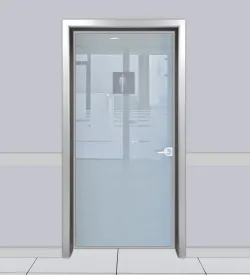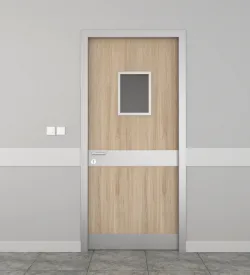
Composite door designs offer ideal solutions for those seeking durability, style, and functionality in the construction sector. Thanks to their structure made from a combination of different materials, these doors provide long-lasting performance. Key benefits include energy-saving insulation properties, high security standards, and a variety of aesthetic options. As durable doors, composite models are favored for both indoor and outdoor use due to their resistance to external factors. Additionally, when considering their performance and quality, composite door prices represent a cost-effective investment over time. These energy-efficient doors reduce energy consumption by providing excellent thermal insulation. For those looking for secure door options, composite doors rank highly with their robust locking systems and structural strength. This article explores the technical features and industry advantages of composite door designs in detail.

In today's construction industry, choosing the right door is crucial not only for aesthetics but also for technical performance. Composite doors stand out as innovative products that meet these demands, excelling particularly in durability, energy efficiency, and security.
Thanks to their composite structure made from multiple materials, these doors resist various climate conditions and physical impacts. This resilience increases their popularity in both residential and commercial buildings. Moreover, their wide range of design options offers architectural harmony and flexibility.
Advantages of Composite Door Designs
Durability and Long Lifespan
Composite doors combine wood, PVC, and metal materials to deliver exceptional durability. Their resistance to scratches, deformation, and fading ensures long-term protection against external elements. Especially their ability to withstand moisture, temperature fluctuations, and UV rays significantly extends their service life.
This durability reduces maintenance needs while preserving the security and aesthetic integrity of buildings. The structural strength of composite materials also provides high resistance to mechanical impacts, offering a practical and economical solution in the long run.
Energy-Saving Insulation Properties
Composite door designs are prominent among energy-efficient doors due to their superior thermal insulation. The insulation materials within the door minimize heat transfer, maintaining stable indoor temperatures. This improves the efficiency of heating and cooling systems.
Beyond thermal insulation, composite doors also offer excellent soundproofing, enhancing indoor comfort. These features reduce energy consumption, providing both environmental and economic benefits. Considering their energy efficiency, composite door prices offer long-term cost savings.
Security Standards and Robust Locking Systems
Composite doors are among the most secure door models, equipped with advanced locking mechanisms. Their sturdy construction offers high resistance against break-ins and forced entry, making them ideal for both homes and commercial spaces.
Thanks to quality materials and manufacturing technology, composite doors pass standard security tests with ease. Their frames and door panels are designed to withstand harsh external forces, ensuring users’ properties remain well protected.
Aesthetic and Design Variety
Composite door designs provide a broad range of stylish options. With various colors, textures, and patterns available, they seamlessly complement architectural styles. Surface finishes can mimic wood, and options include matte or glossy looks.
This variety allows for a cohesive and modern appearance both indoors and outdoors. The workability of composite materials also makes it easy to meet custom design requests, balancing aesthetic expectations without compromising technical performance.
Easy Maintenance and Cleaning
Composite doors offer low maintenance requirements. Their durable surfaces make dirt and stains easy to clean. Unlike wooden doors, issues like cracking, peeling, or swelling are minimal.
Cleaning typically requires just a damp cloth and mild detergent, helping doors maintain their original look for years. Additionally, low upkeep costs provide an economical advantage for users.
Environmental and Economic Benefits
Composite doors contribute positively to the environment through sustainable material use and energy efficiency. Their thermal insulation reduces energy consumption, helping lower carbon footprints. The use of recyclable materials in production further supports eco-friendly practices.
While composite door prices may initially be higher compared to some alternatives, their long lifespan, minimal maintenance, and energy savings deliver overall cost-effectiveness. These qualities make them a valuable investment for both individual and commercial users.
With their technical features and versatile benefits, composite door designs enhance both the functionality and aesthetics of buildings. Preferred for durability, energy efficiency, security, and style, these doors provide economic advantages over time. Ongoing advancements in the industry and material technologies continue to expand the applications of composite doors.