
Exterior Door Models & Prices, Durable And Secure Doors
Exterior doors are one of the most important components of a building in terms of both security and architectural appearance. Used in apartments, villas, detached houses, and building entrances, exterior door systems should be selected based on key technical factors such as durability, thermal and acoustic insulation, locking mechanisms, and overall material quality. In this category, you can explore exterior door options designed for different needs and styles, and easily find the most suitable solution for your project.
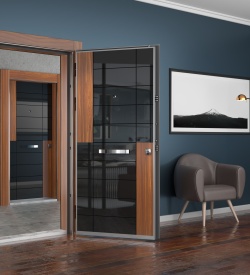
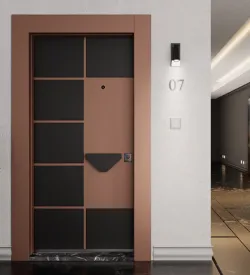
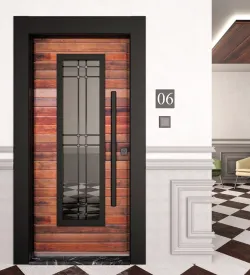


Exterior doors are one of the most critical building elements when it comes to security, comfort, and long-term performance. Unlike interior doors, exterior door systems are constantly exposed to outside conditions such as rain, wind, humidity, direct sunlight, temperature changes, and dust. For this reason, an exterior door is not just an entrance point—it is a functional barrier that protects the building and contributes to insulation and architectural identity.
In residential buildings, villas, apartment complexes, and commercial properties, the right exterior door selection improves safety and reduces energy loss. A well-designed exterior door system can significantly enhance indoor comfort by minimizing cold air infiltration in winter and heat transfer in summer. At the same time, it supports sound insulation, which is especially important for buildings located near main roads or in densely populated areas.
This category includes exterior door solutions that can meet different project needs—from modern minimal designs to classic decorative models—while focusing on durability, security hardware, and structural stability.
Why Exterior Door Quality Matters
Exterior doors are typically subjected to heavier mechanical stress than other doors in the building. Frequent opening/closing cycles, forced impact risks, and pressure on hinges and locks make structural quality essential. Choosing a low-quality or unsuitable exterior door may lead to common long-term problems such as:
- Door sagging (hinge load imbalance)
- Lock misalignment and closing difficulty
- Warping caused by moisture and temperature differences
- Surface deformation or coating damage
- Loss of insulation due to weakened sealing
For these reasons, an exterior door should be selected not only based on appearance, but also on engineering details that ensure consistent performance over the years.
Key Technical Features in Exterior Doors
A reliable exterior door system must combine strong construction with proper insulation and safety components. Below are the technical aspects that directly impact exterior door performance:
1) Door Frame and Leaf Construction
The frame and door leaf must provide sufficient rigidity to resist bending, vibration, and impact. High-quality production includes stable structural reinforcement and accurate assembly tolerances.
2) Locking Mechanism and Security Hardware
Security is a primary function of an exterior door. Depending on the building type and security expectations, the following features become important:
- Multi-point locking systems
- Reinforced lock areas
- Secure strike plates and lock receivers
- High-quality cylinders and keys
- Extra protection for forced-entry resistance
3) Insulation and Sealing System
Insulation is not only about material thickness; it is also about correct sealing. Professional exterior doors include:
- Quality gaskets / weather strips
- Tight frame-leaf alignment
- Reduced air leakage points
- Improved noise blocking performance
This ensures protection against wind, dust, and outdoor noise, while supporting energy efficiency.
4) Surface Durability and Outdoor Resistance
Exterior doors must withstand UV exposure, rainwater, humidity, and temperature swings. Therefore, surface choices and coatings are critical. Depending on the model, exterior doors can feature different surface finishes that aim for:
- Scratch resistance
- UV stability (reduced fading)
- Moisture resistance
- Long-term color consistency
Exterior Door Design and Architectural Compatibility
Exterior doors define the first impression of a building. A properly chosen door supports the architectural style of the structure and strengthens the visual identity of the entrance area. Many projects prefer exterior doors not only for security but also as a design element.
Exterior door models may include:
- Modern flat / minimalist designs
- Classic panels and decorative patterns
- Glass sections (depending on security needs)
- Special color and texture options
However, design should always be balanced with function. For example, decorative glass options may require reinforced structures, specific safety glazing, or additional security hardware based on the building risk level.
Selecting Exterior Doors by Usage Area
Exterior door expectations vary depending on where and how the door will be used:
Apartment and Building Entrances
These doors must handle high traffic and repetitive use. Durability, lock performance, and easy long-term maintenance become key factors.
Villas and Detached Houses
For houses exposed to open outdoor conditions, insulation, weather resistance, and high-security systems become the priority.
Commercial Buildings and Offices
Commercial entrances require strong structural stability and reliable hardware systems suitable for intense daily operation.
The right exterior door solution should always be matched with the building’s environment, user density, and project requirements.
Factors Affecting Exterior Door Prices
Exterior door prices may differ depending on the technical structure and selected components. Main factors include:
- Material type and construction quality
- Locking system level (standard vs multi-point)
- Surface finish and outdoor protection coating
- Additional accessories and design elements
- Project-specific dimensions and installation requirements
Instead of focusing only on initial cost, it is recommended to evaluate exterior doors in terms of long-term performance, safety contribution, and insulation efficiency.
Conclusion: A Strong Entrance Starts with the Right Exterior Door
Exterior doors provide a building with safety, comfort, and durability while reflecting its architectural character. A well-built exterior door system contributes to protection against outdoor conditions, reduces energy loss, improves sound insulation, and increases overall property value. By selecting the right exterior door model based on technical specifications and usage requirements, you ensure long-lasting performance and a more secure entrance solution.


