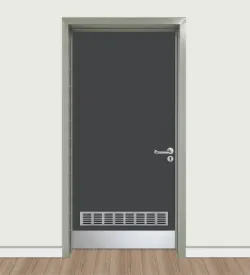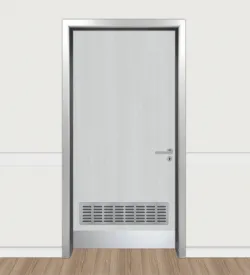
Insulation and soundproofing techniques for steel doors play a vital role in enhancing building comfort and energy efficiency. The right materials and methods used in thermal and acoustic insulation directly impact the performance of steel doors. Insulation components such as door seals, soundproof foam, and thermal insulation panels minimize the effects of external conditions on indoor spaces, contributing to energy savings. Soundproof steel doors and various insulation methods are designed to reduce noise pollution and prevent heat loss. These techniques provide durable and effective solutions for both industrial and residential applications. This article explores the materials, application methods, and benefits of insulation and soundproofing for steel doors in detail, optimizing both energy efficiency and acoustic comfort in buildings.

Steel doors are widely chosen for their durability and security features. However, their insulation performance is crucial for overall building energy efficiency and indoor comfort. Steel door insulation involves various techniques aimed at preventing heat loss and reducing the transmission of external noise indoors. Proper application of these methods improves indoor air quality while lowering energy consumption.
Soundproofing and thermal insulation complement each other in steel doors. Using soundproof steel doors and appropriate insulation materials ensures both acoustic and thermal comfort. Details such as door seals and soundproof foam directly influence the door's insulation effectiveness. Therefore, it is essential to carefully examine the technical aspects and materials used in steel door insulation methods.
Insulation and Soundproofing Techniques for Steel Doors
The Importance and Basic Principles of Thermal Insulation
Thermal insulation is a key factor in achieving energy savings with steel doors. Due to their metal construction, steel doors have high thermal conductivity and can cause significant heat loss if not properly insulated. Installing thermal insulation panels inside the door reduces heat transfer and helps maintain indoor temperature.
Materials used for thermal insulation should have a high thermal resistance (R-value) to minimize temperature differences between outdoor and indoor environments. Additionally, door seals around the perimeter prevent air leaks, playing a crucial role in reducing heat loss. These techniques improve building energy performance and lower heating and cooling costs.
Applying Soundproofing Techniques to Steel Doors
Soundproofing is essential to block external noise from entering indoor spaces. Steel doors, due to their metal structure, can easily transmit sound waves. Therefore, specialized techniques and materials are used for sound insulation. Soundproof foam applied to the door surface or interior enhances sound absorption.
Soundproof steel doors are equipped with specially designed structural features and insulation materials that minimize both airborne and impact noise transmission. Door seals also play a critical role in soundproofing; proper installation without gaps ensures continuous noise blocking.
Steel Door Insulation Materials and Technical Features
Insulation materials used in steel doors have distinct properties for thermal and acoustic insulation. Thermal panels typically consist of polyurethane foam, mineral wool, or polystyrene-based materials, favored for their lightweight and high thermal resistance.
Acoustic insulation materials include acoustic foams, soundproof sponges, and specialized rubber seals that absorb sound waves and reduce reflections. The thickness and density of insulation materials are key factors influencing performance. Materials must be compatible with the door and installed correctly for optimal results.
The Role of Door Seals in Insulation
Door seals ensure continuous thermal and acoustic insulation in steel doors. They prevent air and sound leaks at the junction between the door and frame, reinforcing the insulation’s weakest points. Produced in various materials, door seals also improve door closing performance due to their elasticity.
Choosing and installing seals correctly directly affects insulation effectiveness. Seals resistant to outdoor conditions and weather are recommended to minimize air drafts and noise infiltration around the door. Door seals are a critical component of the overall insulation system.
Methods Used in Acoustic Insulation
Acoustic insulation for steel doors involves several methods to enhance soundproofing. Acoustic panels applied to the door surface reduce sound wave reflections, creating a quieter indoor environment. Soundproof foam integrated into the door’s interior significantly lowers sound transmission.
Special design techniques prevent the door frame and hinges from acting as sound bridges. The density and thickness of acoustic materials determine the door’s sound insulation performance. These methods are particularly beneficial in areas with high noise pollution, improving building comfort.
Energy-Saving Insulation Methods
Insulation methods applied to steel doors offer significant energy-saving benefits. Thermal panels and door seals help maintain indoor temperatures, reducing the energy required for heating and cooling systems. This results in both economic and environmental advantages.
The effectiveness of insulation depends on installation quality and material properties. To maximize energy savings, air leaks around the door must be completely sealed. Along with insulation materials, selecting appropriate door accessories is important. Proper application supports sustainable energy management in buildings.
Application Techniques and Key Considerations
Insulating steel doors requires not only selecting the right materials but also using proper application techniques. Insulation materials must be evenly and thoroughly placed on the door surface or interior to maximize performance. Door seals should be installed without gaps.
Material durability and resistance to environmental conditions should be considered during installation. Improper application can reduce insulation effectiveness, leading to energy loss and noise issues. Therefore, following technical standards and detailed procedures is essential.
Insulation and soundproofing techniques for steel doors play a fundamental role in enhancing building energy efficiency and acoustic comfort. When materials like thermal panels, door seals, and soundproof foam are correctly applied, heat and noise from outside are significantly reduced. These techniques provide long-term benefits for both residential and commercial buildings. Choosing the right materials and application methods optimizes steel door performance, delivering energy savings and improved quality of life.