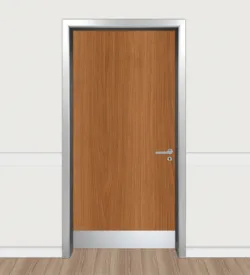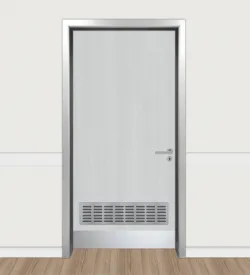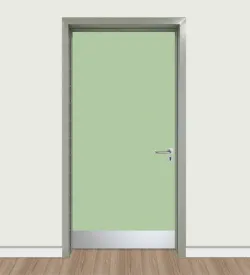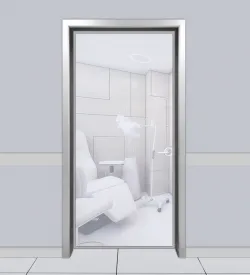
Bathroom and toilet doors are exposed to high humidity and frequent water contact, making material selection crucial. Water-resistant door materials are preferred for their long-lasting durability and appealing appearance. This article examines the technical features of bathroom and toilet door materials, highlighting moisture-resistant and durable options. It also provides detailed insights on bathroom door design and material recommendations focused on water resistance. Choosing the right materials is essential for structural integrity and user comfort, making this content a reliable resource from both industry and technical perspectives. This guidance helps make informed decisions when selecting suitable materials for bathroom and toilet doors.
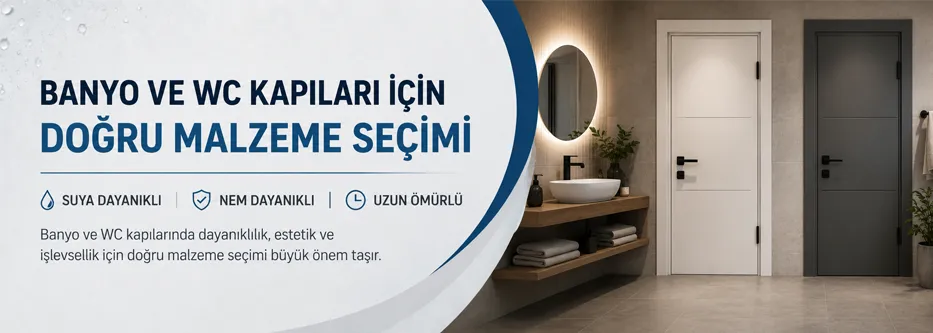
Bathroom and toilet doors must withstand the common challenges of moisture and water exposure in indoor environments. The material properties of these doors are vital for both functionality and aesthetic appeal. Opting for water-resistant doors reduces the risk of warping and damage, ensuring long-term use. Therefore, a thorough evaluation of material characteristics is necessary during the bathroom door selection process.
Material choice is important not only for durability but also for how well the door design complements the overall space. When selecting materials for bathroom and toilet doors, factors such as moisture resistance, water repellency, ease of maintenance, and visual appeal should be carefully considered. This article offers technical insights and industry-focused evaluations on bathroom door material recommendations and durable door materials.
Choosing the Right Materials for Bathroom and Toilet Doors
Technical Features of Water-Resistant Door Materials
Water-resistant doors are especially suitable for high-humidity areas like bathrooms and toilets. These doors are made from specialized materials that prevent water damage to the door surface. Popular options include PVC, aluminum, and composite doors, all known for their strong resistance to water. These materials prevent absorption, avoiding issues such as swelling, cracking, or deformation.
Technically, water-resistant door materials are characterized by low water vapor permeability and high surface durability. They also resist damage from chemical cleaning agents. These qualities contribute to the long lifespan of bathroom and toilet doors while minimizing maintenance needs.
Moisture Resistance in Bathroom Door Selection
Moisture resistance is a key requirement for doors in bathroom and toilet environments. Such doors maintain structural stability under high humidity, reducing the risk of deformation. Moisture resistance depends directly on the material’s ability to absorb water vapor and the quality of surface coatings.
Wooden doors, which are prone to moisture damage, should be treated with special moisture-resistant coatings or selected as processed wood products when used in bathrooms. Alternatively, composite materials and PVC doors stand out as highly moisture-resistant choices. These materials prevent water penetration into the door structure, ensuring long-lasting durability.
Durable Door Materials for Bathroom and Toilet Doors
Durable door materials must resist not only water but also physical impacts and wear. The mechanical strength of materials used in bathroom and toilet doors is important for maintaining both function and appearance. Metals like aluminum and steel offer significant durability advantages.
Additionally, high-density HPL and CPL laminates are among the durable door materials. These surfaces resist scratches and maintain structural integrity under wet and humid conditions. Choosing durable materials reduces maintenance frequency and provides cost-effectiveness over time.
Bathroom Door Design and Material Compatibility
Bathroom door design is closely linked to material selection. The functionality and aesthetic appeal of the design vary depending on the material’s properties. For example, PVC doors suit modern and minimalist designs, while aluminum doors provide a more industrial and robust look.
Material compatibility ensures the door integrates seamlessly with the space. Water-resistant composite doors contribute to bathroom decor through their surface textures and color options. The thickness and weight of the material also influence the choice of mechanical hardware. Therefore, technical properties of materials should be considered when planning bathroom door designs.
Material Recommendations and Applications for Bathroom Doors
Material recommendations for bathroom doors vary depending on the application. Lightweight and water-resistant materials are preferred for interior doors, while exterior-facing bathroom doors require more durable and weather-resistant options. Compact laminate and composite doors are suitable for various applications.
Toilet door materials should be hygienic and easy to clean. Smooth surfaces with high chemical resistance are prioritized. Additionally, factors such as door swing direction, room size, and frequency of use should be considered during material selection.
Maintenance and Durability Performance of Water-Resistant Doors
Water-resistant doors maintain their performance over time with regular maintenance. Appropriate cleaning products should be used on door surfaces, avoiding abrasive chemicals. Hinges and lock mechanisms should be periodically checked to prevent moisture-related damage.
Durability depends on material quality and installation techniques. With proper installation and care, water-resistant doors can remain sturdy in bathroom and toilet environments for many years. Thus, the installation process is as critical as material selection in determining door lifespan.
Choosing the right materials for bathroom and toilet doors requires understanding the technical features that guarantee resistance to water and moisture. Priority should be given to water-resistant doors, moisture-proof products, and durable materials. Selecting materials that align with door design and usage ensures optimal aesthetic and functional results. Following these material recommendations and technical criteria leads to long-lasting, reliable door solutions.